South Wales carries its industrial past on the surface. You don’t have to search for it; it sits in the valleys, the quarried hillsides, the rusting machinery and the buildings slowly folding back into the landscape. Growing up here, you learn that the land isn’t passive. It remembers.
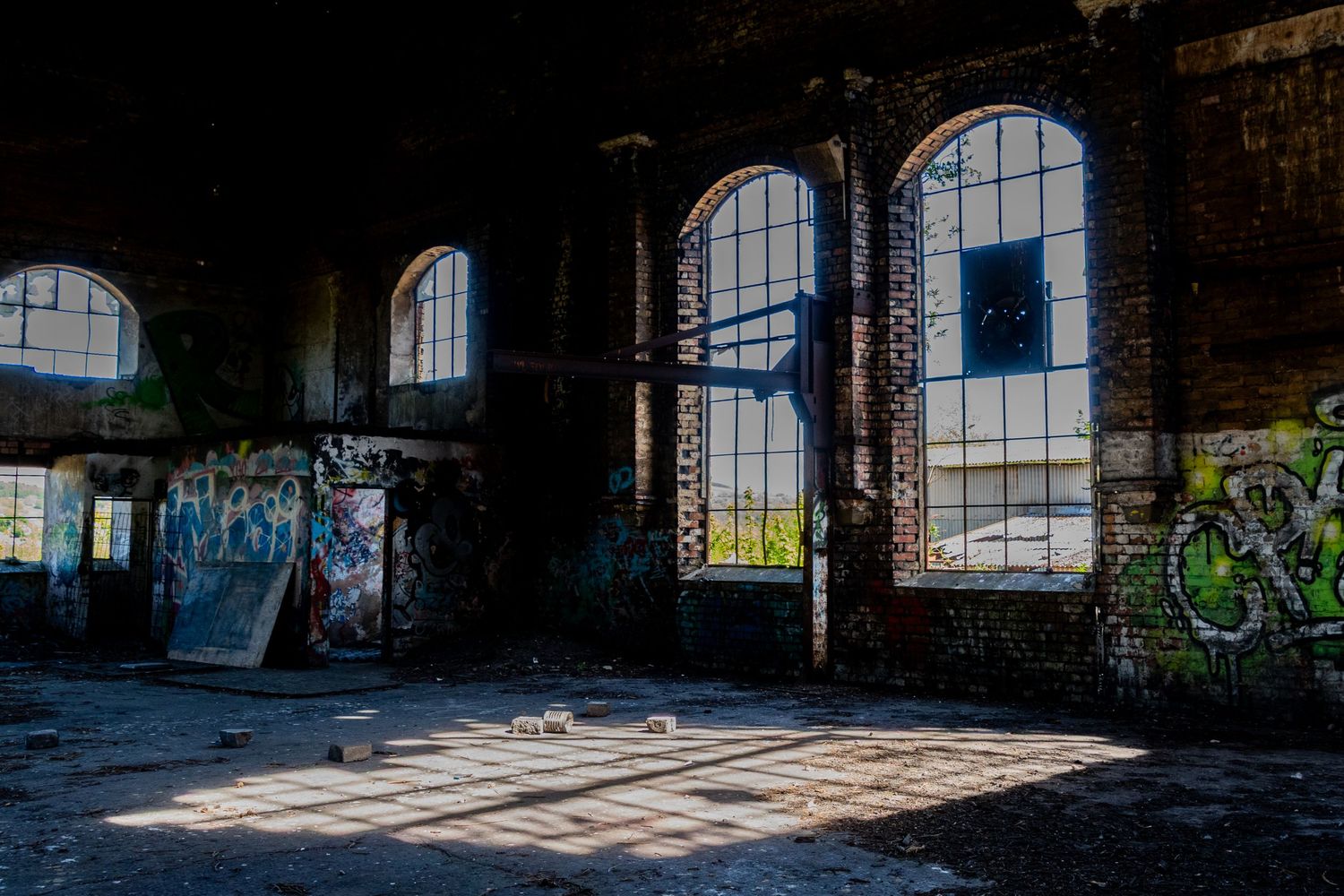
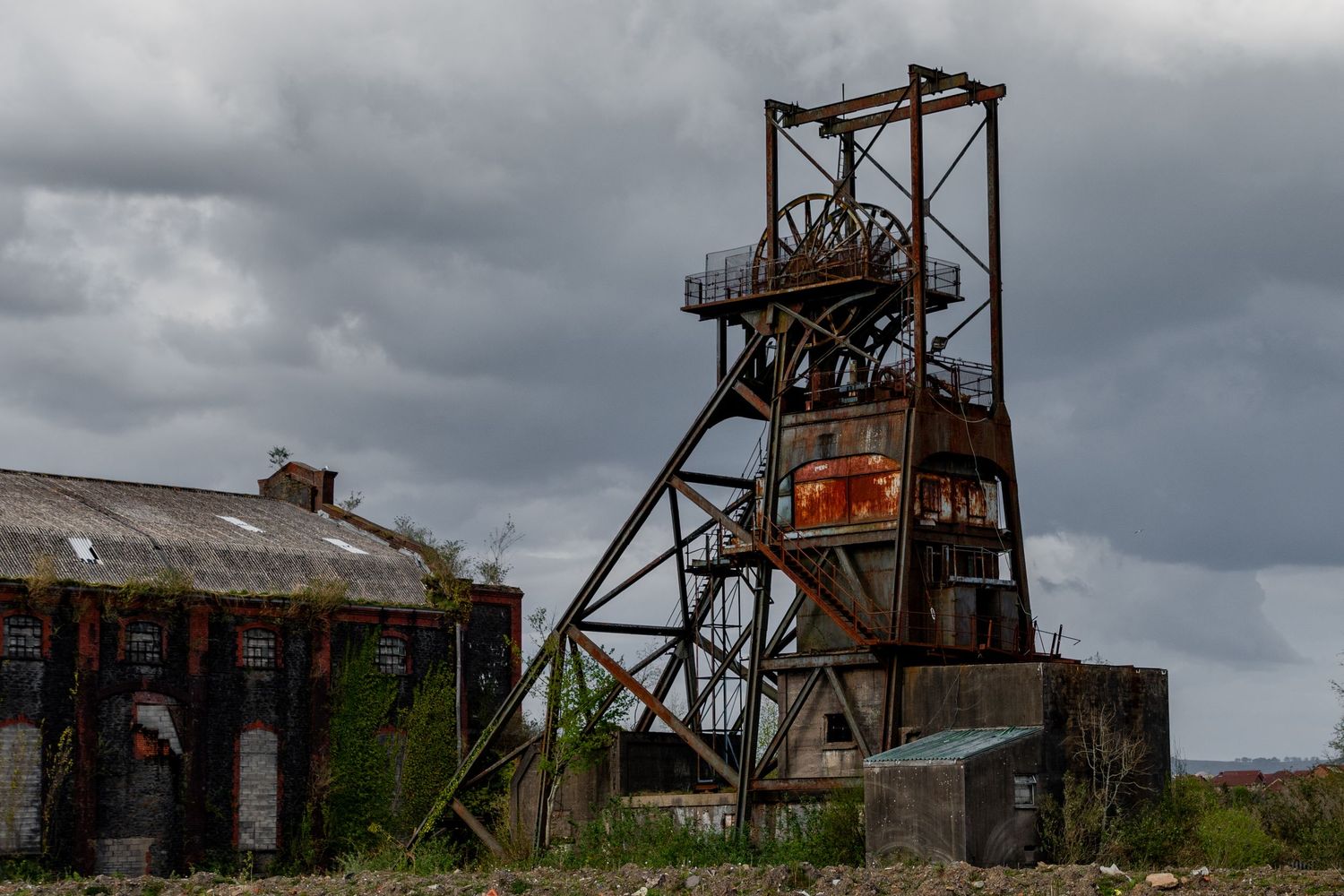
Spaces looks at those marks and the scars of an industrial revolution. On one level, it’s about abandoned industrial sites; mines, quarries, factories, processing plants. But underneath, it’s a reflection on the relationship between land, labour and the hunger for resources that shaped these valleys, and how that mindset still lingers today.
We often romanticise industrial Wales: the grit, the community, the pride of making something real. And while those things mattered, so did the destruction, danger and exploitation running alongside them. By 1913 this coalfield was one of the biggest in the world, and the landscape still wears the cost of that success.
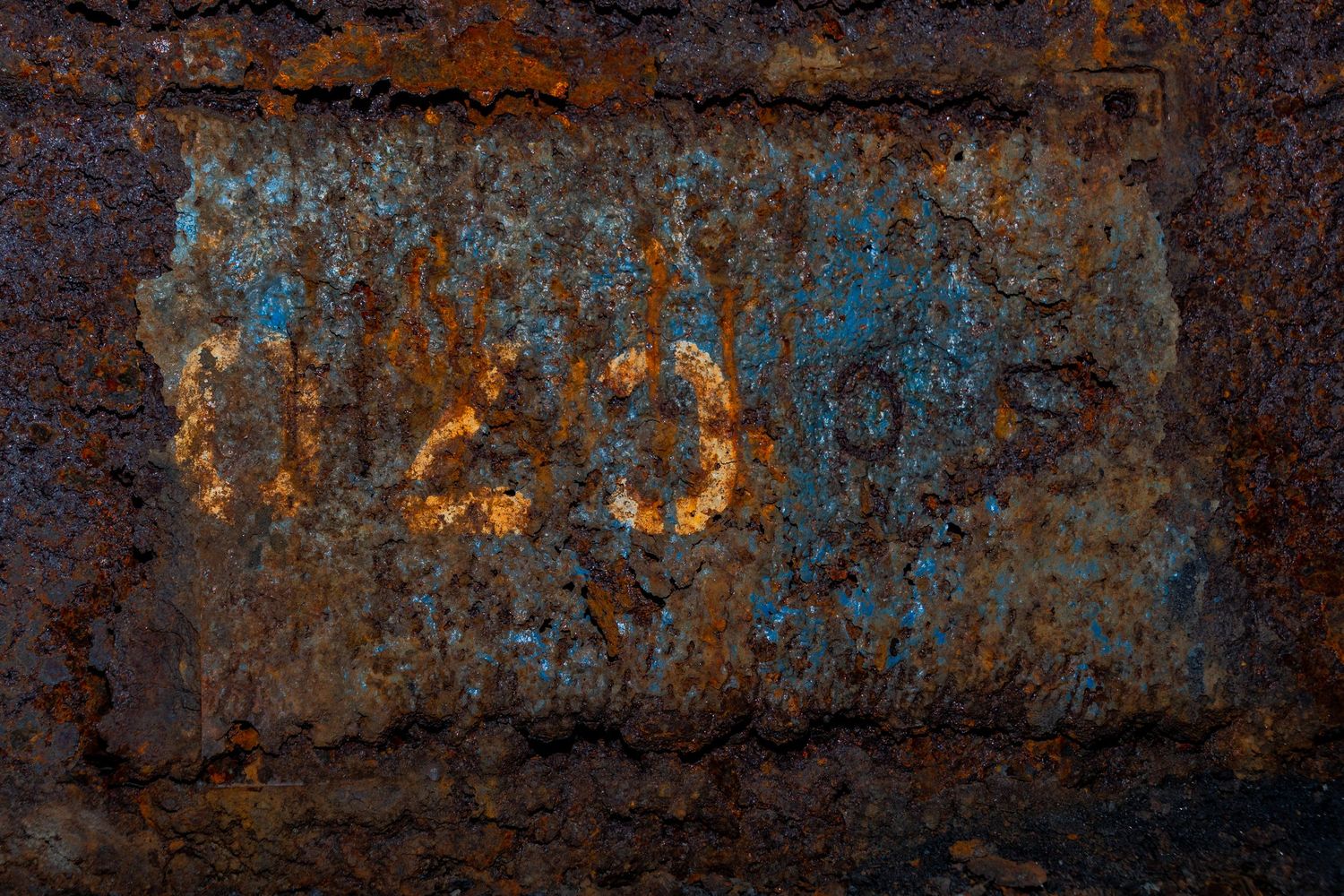
Walking these sites now, you see a slow convergence happening between what’s left of industry and the nature reclaiming it. Moss climbing over steel. Water carving new paths through concrete. Plants breaking apart what people once built. It’s a quiet reminder that consumption goes both ways; we take from the land, and eventually the land takes back.
This project isn’t just about the past, though. Our consumption patterns didn’t vanish; they just became less visible. We don’t see the pits or the factories anymore; we see fast delivery, influencer lifestyles, convenience. The extraction still exists, only pushed further from view.
That’s why I’ve kept small signs of modern Wales in the images: a road cutting through a valley, graffiti layered over rust, a car in the background, litter caught in a fence. They show how the past and present sit on top of each other; different forms of the same behaviour.
For me, Spaces is about looking at these industrial remains as more than relics. They’re reminders of resilience, loss, exploitation, community, identity; all still shaping how we live now. These scars aren’t just historical. They’re ongoing.
And the landscape hasn’t forgotten.